
The Ethics of Wildlife Locations: Share, Blur, or Withhold?
Learn when sharing wildlife sightings supports citizen-science—and when geoprivacy protects sensitive species, nests, and habitats.
Why wildlife locations are ethically complicated (and why it matters)
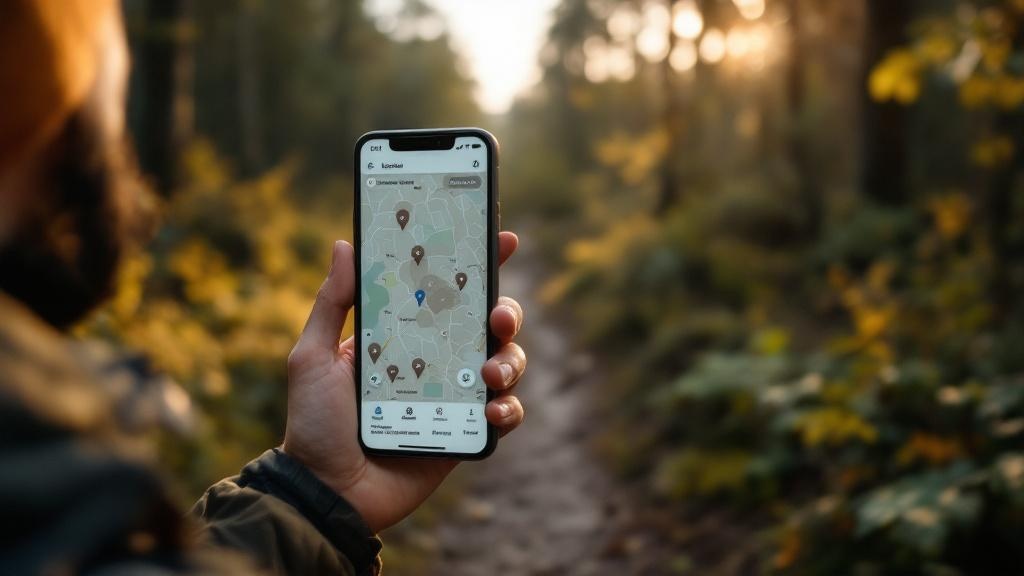
Posting a rare owl pin or a den-site photo can feel like helping the community—until it concentrates foot traffic, invites harassment, or stresses animals during breeding. That tension sits at the heart of wildlife-ethics: we want knowledge to spread, but not at the expense of the wildlife we’re trying to appreciate. For hikers, birders, and photographers, a single “where exactly?” can turn a fleeting encounter into a repeatable disturbance.
In citizen-science, location data can be genuinely valuable—supporting range maps, migration timing, and conservation planning. But parks and researchers also evaluate disturbance risk: how likely an animal is to change behavior (flush, abandon a nest, shift territory) when people show up. The more predictable the location and timing, the higher the risk.
A practical way to decide is to treat location as a sliding scale, not an all-or-nothing choice. Geoprivacy tools—blurring coordinates, delaying publication, or withholding details—let you keep useful records while practicing responsible-recreation and supporting conservation outcomes.
When to share, blur, or withhold: a field-ready decision guide
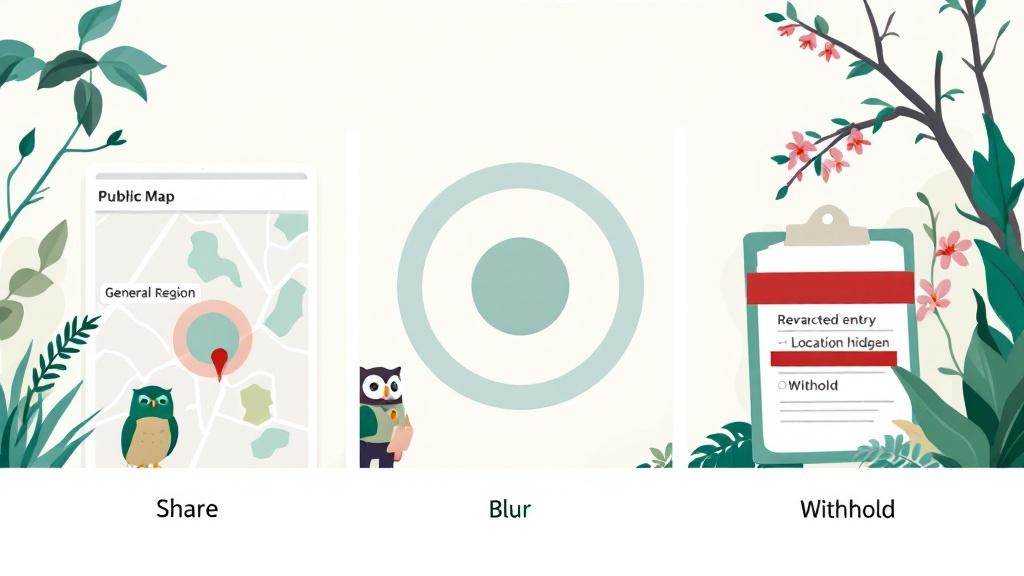
Share when the benefit is high and the risk is low: common species, durable habitats, and observations that won’t attract crowds to a single spot. For example, reporting general migration timing or a widespread wildflower pollinator can aid citizen-science without creating a hotspot. Sharing can also improve safety when it’s about hazards, such as recent bear activity described at the trail-corridor level rather than a specific waypoint.
Blur when the species is uncommon, easily disturbed, or the habitat is fragile. Many parks discourage exact coordinates for nesting raptors, colonial waterbirds, amphibian breeding ponds, and sensitive plants because repeated visits can cause trampling, predation, or nest failure. Researchers often model risk using three factors: species sensitivity (how it reacts), site vulnerability (how easily it’s damaged), and visitor pressure (how likely a post is to drive traffic). If two of these are high, blur.
Withhold when disclosure could enable harm—poaching, collecting, harassment, or den/nest intrusion. Dens, roosts, and nests generally warrant the strictest geoprivacy stance under wildlife-ethics and responsible-recreation norms.
Practical geoprivacy tactics you can use today (and how apps should support them)
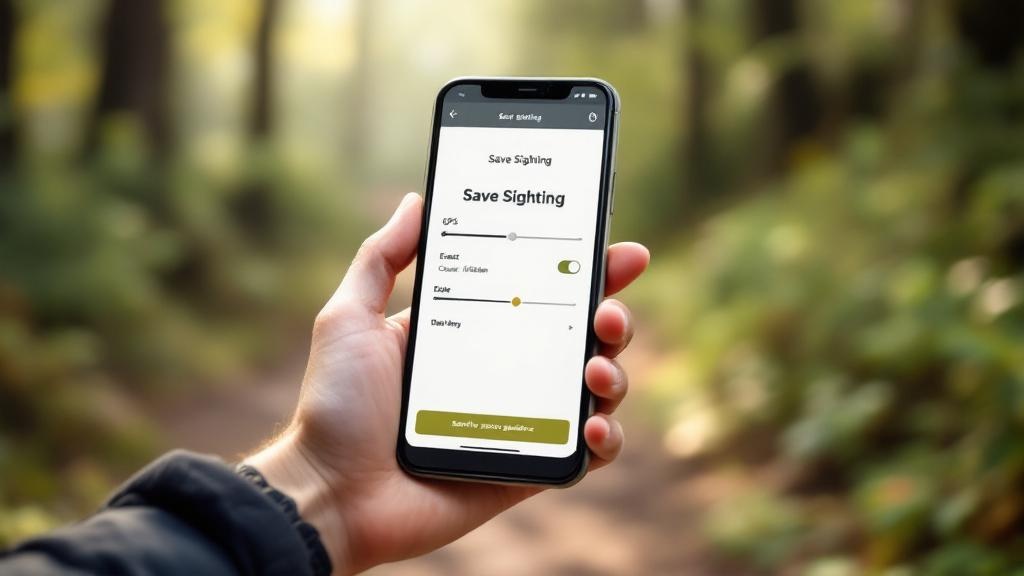
You don’t need to stop documenting wildlife—you need a safer way to record it. Start with precision controls: save exact GPS privately, but publish only a coarse area (for example, a 1–10 km radius or “park-level” location). Add time delays for anything that could draw people in real time, such as a rare bird stakeout or an active den; delaying by days or weeks reduces crowding and gives animals space during sensitive windows.
Use redaction in media, too. Photos can include recognizable landmarks; audio can capture human voices or campsite clues. Trim clips, avoid showing trail signs, and remove metadata when sharing outside trusted channels. When writing notes, describe habitat (“north-facing conifer stand near creek”) rather than a turn-by-turn route.
Apps like TrailSight Wildlife should make these safer defaults effortless: offline-first logging for your personal journal, a clear “sensitive species” prompt, optional coarse-location exports, and separate settings for private versus community reporting. Done well, conservation and citizen-science both benefit—without sacrificing responsible-recreation.